Watch Our Team Explain
Choose a recording, then select Play Video. Swipe the thumbnails or use the arrow keys to browse.
Oklahoma City Water Supply | Lake Hefner & Canton
Video published
Recorded prices, offers, equipment, and service details reflect the recording and may have changed.
Professional demonstrations are not instructions to perform electrical, gas, refrigerant, or combustion work yourself. Leave that work to a qualified professional.
Our Source Videos
These original recordings contributed to this guide. Recorded prices, offers, equipment, and service details reflect the recording and may have changed.
Canton Lake Water Quality | Plumbing in OKC
Video published
Read The Source Transcript
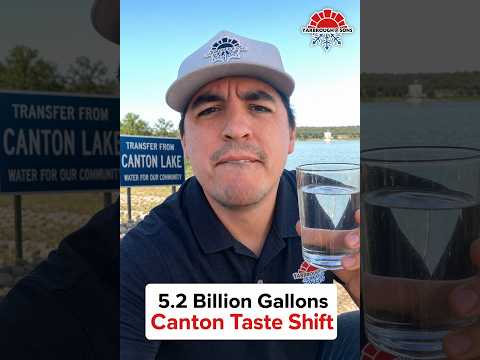
So, sorry. OKC, if your tap water tastes a little off later this month, it is not your imagination. Oklahoma City just moved about five point two billion gallons from Canton Lake toward Lake Hefner after Hefner dropped about eight feet over the summer. The city still treats what comes out of the plant, but what can change at the house is taste, smell, and how mineral-heavy the water feels while the two sources from Canton Lake and Hefner mix. And as Lake Hefner climbs back up, you may notice some differences. If the shower glass spots get worse, the ice maker tastes different, or the filter is clogged faster than usual, that is usually aesthetics and, and minerals, not necessarily a reason for panic. Um, a quicker water test tells you if a sediment filter, carbon, or a softener is actually worth it for your house. So how does your water taste at your home?
Oklahoma City Water Supply | Lake Hefner & Canton
Video published
Read The Source Transcript
You're driving around, the grass is brown, and there's leaves on the ground as well, not because it's fall, but because we're in a drought, and it is incredibly warm and incredibly hot. It's been a long summer, and you can see the results at Lake Hefner. Hefner is one of Oklahoma City's main drinking water lakes, and it dropped about eight to nine feet through a very hot, very dry summer. When that lake falls, the city does not just wait and hope. It pulls from backup storage it owns at Canton Lake out in western Oklahoma. This round, Oklahoma City started moving about five point two billion gallons from Canton down the North Canadian River toward Hefner. The water is supposed to raise Hefner about four feet while Canton drops a few feet. The trip takes days, and dry riverbeds will soak up some of it before it arrives, so not every gallon makes it. So this is how Oklahoma City supplements the drinking water during a drought. It balances the two lakes, keeps the city supply stable, and keeps it releasing for about two weeks until the transfer is done. But rain still has to refill both lakes. Have you been watching Hefner shoreline change this summer? If you have, let us know in the comments.