
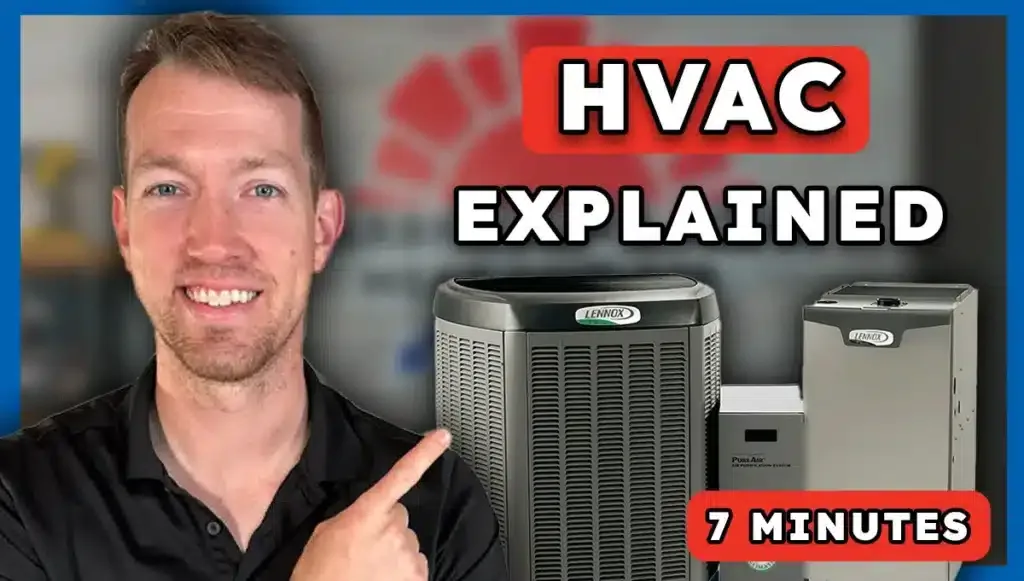
If you’re a first-time homeowner, or just someone wondering what exactly is going on behind your thermostat, understanding your home’s central climate control is essential. The equipment that keeps your home comfortable is called an HVAC System.
We’ll break down exactly what HVAC stands for, how different systems heat and cool your home, and why components like refrigerant and ductwork are crucial to the whole process.
Part 1: Heating (The Furnace)
What Does HVAC Stand For?
HVAC stands for Heating, Ventilation, and Air Conditioning. It is the combined system of equipment that controls the temperature and air movement inside your home, regardless of the extreme weather outside.
How Do Most Homes Produce Heat in the Winter?
In regions like Oklahoma, most homes rely on a gas furnace that uses natural gas (or sometimes propane or oil) to produce heat.
- The furnace combusts fuel to generate heat.
- A powerful blower motor then pushes this hot air into your ductwork.
- The ductwork acts like a highway, distributing the hot air efficiently to every vent in your home.
What is a Dual Fuel System?
A dual fuel system is an increasingly common and efficient setup that combines two heating sources:
- A Heat Pump: Used for heating the home when temperatures are mild.
- A Gas Furnace: Kicks on automatically when temperatures drop below a certain threshold, providing powerful auxiliary heat.
This combination allows homeowners to rely on the highly efficient heat pump most of the time, saving on gas usage during extreme cold spells.
Part 2: Cooling (AC and Heat Pumps)
Do Air Conditioners and Heat Pumps Actually Produce Cold Air?
No, they don’t produce cold air. Instead, they remove hot air from your home and move it outside - making the indoor air feel cool. This process is called the refrigeration cycle.
How Does the Refrigeration Cycle Work?
The cycle relies entirely on refrigerant circulating between two main units via two copper lines (a liquid line and a suction line):
- Indoor Coil (Evaporator): As warm indoor air passes over the evaporator coil, the refrigerant inside the coil absorbs the heat.
- Refrigerant Travel: The now-hot refrigerant travels outside to the condenser unit.
- Outdoor Condenser: The condenser fan blows air over the condenser coil. This action releases (dissipates) the heat from the refrigerant into the outdoor air.
- Recycling: The refrigerant cools back down and is sent back inside to the evaporator coil to repeat the process.
The air that comes out of your supply vents is simply air that has had its heat removed. If you ever place your hand over the outdoor fan, the hot air you feel is the heat being pulled directly out of your home.
How Does a Heat Pump Cool AND Heat?
A heat pump operates exactly like an air conditioner in the summer, removing heat from the house. However, it can reverse the flow of refrigerant to extract heat from the outside air (even when it’s cold) and move it inside to heat your home. This makes heat pump technology incredibly efficient for both heating and cooling.
Part 3: Moving the Air (Ductwork and System Matching)
Why is Ductwork as Important as the Air Conditioner Itself?
Your air conditioner could be a “rocket ship” of a system, but it doesn’t matter if the air can’t be moved properly. Ductwork acts as the highway that moves hot or cold air from your furnace or air handler to every vent in your home.
When ducts are well-designed and sealed, comfort is maintained. The moment they become leaky, cracked, or poorly insulated, you lose efficiency, resulting in wasted energy and uneven temperatures (hot and cold spots) throughout your home.
What About Mini Splits?
Mini split systems are great solutions for spaces where conventional ductwork is impractical (like older homes, additions, gyms, or hotels). They deliver heating and cooling to individual rooms or zones without needing extensive ductwork.
Why Does System Matching Matter?
Every component of your HVAC System - the furnace, the coil, the condenser, the refrigerant lines - is designed to work together.
- When one part struggles, the whole system struggles.
- Poorly matched or struggling components lead to uneven temperatures, premature breakdowns, higher utility bills, and potentially costly damage to the entire system.
Given the extreme and rapidly changing weather in places like Oklahoma, ensuring your system is properly matched and maintained is essential for year-round comfort and longevity.
Final Takeaway: Understanding what is an HVAC System helps you make smarter decisions about your home. Regular maintenance allows professionals to spot issues early, reducing unnecessary costs and ensuring that when the time comes to replace your system, you are making the most informed decision possible.
If you found this guide helpful, or if you have questions about scheduling a service, maintenance plan, or getting an estimate, please contact us!