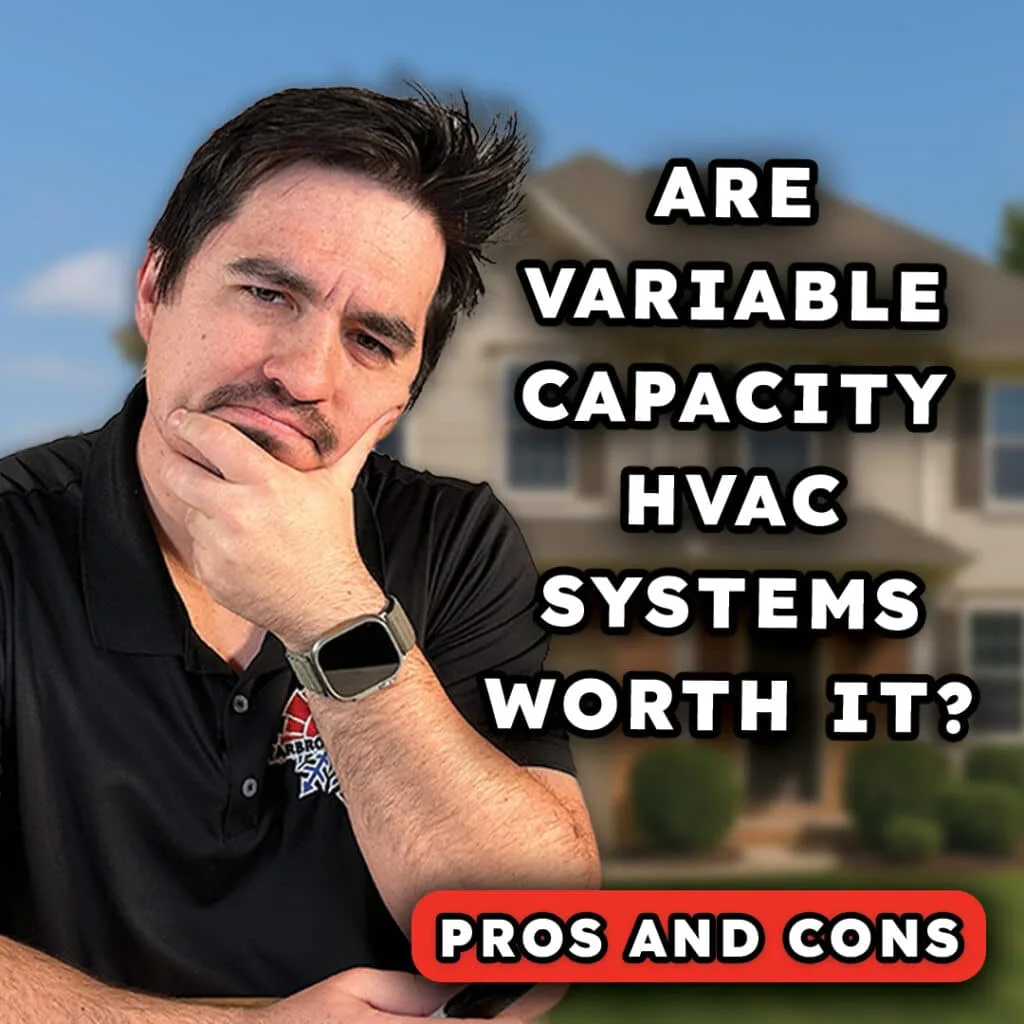
When it comes to keeping your home cool in the middle of an Oklahoma summer, not all HVAC systems are created equal. Are variable capacity HVAC systems worth it for achieving optimal comfort? Over the years, technology has advanced beyond single stage and two-stage air conditioners. Today, variable capacity HVAC systems (sometimes called inverter systems) are quickly becoming the gold standard for home comfort.
But are they worth the higher upfront cost? Let’s break down the pros and cons of variable capacity systems so you can make the right decision for your home.
What Is a Variable Capacity HVAC System?
Traditional air conditioners operate in just one or two modes: either full blast (single stage) or high/low (two stage). A variable capacity system works differently.
- Instead of running at 100% all the time, it adjusts in tiny increments from 30% to 100% capacity depending on how much cooling your home actually needs.
- This flexibility means your AC can run longer at lower speeds, keeping your home consistently cool while using less energy.
Think of it like having hundreds of stages of cooling instead of just one or two.
Key Benefits of Variable Capacity Systems
1. Superior Humidity Control
Oklahoma summers are hot and humid. A variable capacity system runs longer at lower speeds, allowing the indoor coil to stay cold long enough to “wring out” moisture from the air. This means:
- Indoor humidity levels between 40–50%, even on humid 80% days.
- Less stickiness and improved overall comfort.
- Reduced risk of mold or musty smells.
2. Quieter Operation
On lower stages, these systems operate around 50–55 dB - quieter than a normal conversation. That means no more shouting over a loud AC during backyard barbecues or turning up the TV every time the unit kicks on.
3. Consistent Comfort Room to Room
Older single stage systems often overcool one area while leaving other rooms warm. Variable capacity systems balance airflow better, keeping temperatures consistent throughout the entire home.
4. Energy Savings
By running longer at lower speeds, variable capacity systems consume less electricity. Over time, this reduces utility bills compared to oversized or inefficient single stage systems.
5. Improved Air Quality
Most variable capacity systems pair with variable speed blower motors, which keep air circulating longer. This boosts filtration and reduces dust, allergens, and pollutants in your home.
Potential Drawbacks to Consider
While the benefits are clear, there are some things homeowners should know before investing in a variable capacity system:
- Installation quality matters. These systems are more complex and require a properly trained installer.
- Ductwork design is critical. Older duct systems may not be sized correctly for variable capacity equipment, leading to performance issues.
- More advanced components. With additional control boards and electronics, repairs require technicians familiar with the technology.
- Higher upfront cost. Variable capacity units cost more than single stage systems, but many homeowners find the savings in comfort and efficiency are worth it.
Is a Variable Capacity System Right for You?
If you plan to stay in your home long-term, the investment in a variable capacity system often pays off in:
- Lower monthly utility bills
- Better indoor comfort
- Quieter operation
- Long-term humidity control
However, if you’re selling your home soon or need a budget-friendly solution, a standard single stage or two-stage system may make more sense.
Partner With the Right HVAC Company
Here’s the truth: 80% of a system’s lifespan comes down to the quality of the installation. Even the best variable capacity unit won’t perform well if it isn’t installed and maintained properly.
At Yarbrough & Sons Heating, Cooling & Plumbing, our technicians are trained to design, install, and service advanced HVAC systems the right way. We stand behind every installation with proven experience and a commitment to customer satisfaction.
Prices and examples reflect the recording, not a current quote. Confirm today's scope, availability, and terms with our team.
HVAC Average Price Range by Tonnage
- 1.5 Ton: $8,000 – $16,000
- 2 Ton: $8,000 – $16,000
- 2.5 Ton: $8,500 – $18,000
- 3 Ton: $9,000 – $18,500
- 3.5 Ton: $9,500 – $21,000
- 4 Ton: $10,500 – $21,500
- 5 Ton: $11,500 – $23,000
🔧 View your estimate instantly
💸 Financing options available
About Yarbrough & Sons Heating, Cooling & Plumbing
Serving Oklahoma City and surrounding areas since 1988, we provide expert HVAC maintenance, repair, and replacement services with a commitment to quality and community care.
Locations:
- 122 S Main Ave, Blanchard, OK 73010
- 3601 S Broadway #300, Edmond, OK 73013
📞 (405) 960-3470 | 🌐 yarbroughandsons.com